The Subtle Art of Japa: Three Ways of Repeating a Mantra
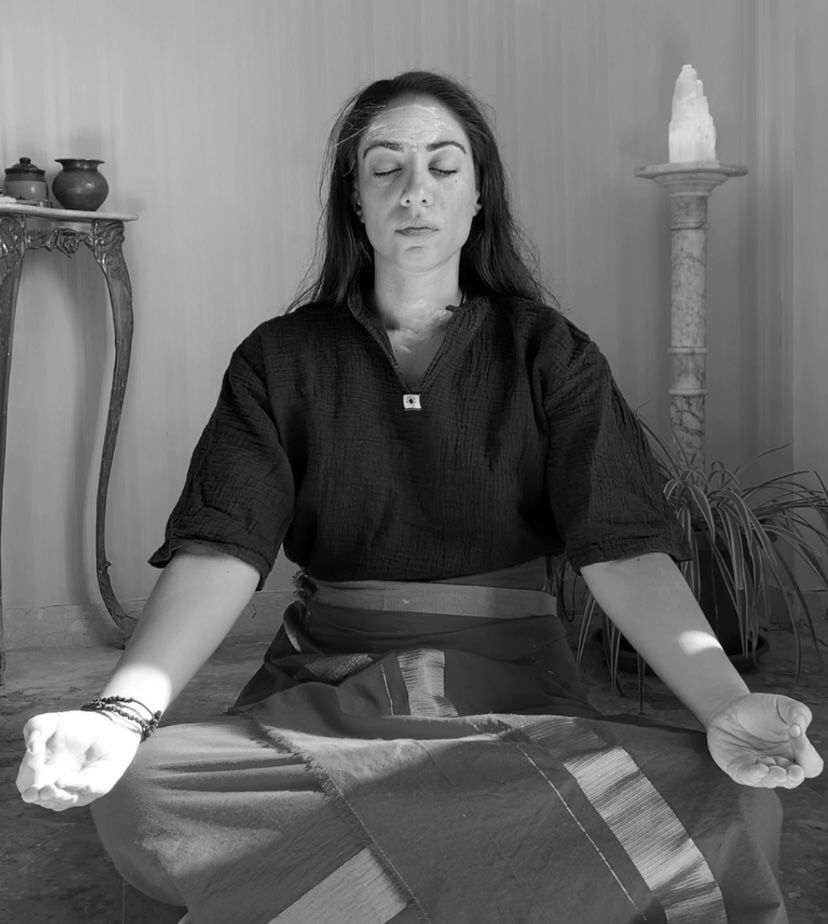
The Subtle Art of Japa: Three Ways of Repeating a Mantra
Some practices look simple until you spend time with them. Japa, the repetition of a mantra, is one of them. Repeating a word or sound again and again may seem like the easiest practice there is. Within the tradition, though, there is a careful understanding of how that repetition can be approached.
Japa is traditionally described in three forms: Vāchika, Upāṃśu, and Mānasa. The mantra stays the same. What changes is the way it is held.
When the Mantra Is Spoken: Vāchika Japa
Vāchika Japa is the repetition of a mantra aloud. The words are spoken clearly, and you can hear each repetition.
This is the most familiar form. The voice gives the mantra an audible shape, and your attention can rest on the sound as it continues. For many people, it is the natural place to begin.
When the Mantra Becomes a Whisper: Upāṃśu Japa
Upāṃśu Japa is practised in a very soft voice, so that only the practitioner can hear it. The lips move gently, and the sound stays low and close.
The difference from Vāchika may seem small, but it marks a distinct form of practice. The mantra is still spoken, but the recitation turns quieter and more inward.
When the Mantra Remains Within: Mānasa Japa
Mānasa Japa is the silent repetition of a mantra in the mind, without moving the lips or the tongue.
There is no audible sound. The repetition happens entirely within. In traditional teachings, Mānasa Japa is considered the highest of the three forms, because the mantra is no longer spoken or whispered but held inwardly.
Why the Details Matter
Vāchika is audible. Upāṃśu is whispered. Mānasa is silent.
Seeing how carefully the tradition separates these approaches shows how much can sit inside a practice that looks simple. It also reminds us that these practices were meant to be learned with guidance and without hurry. Each form has its place, and each is best approached the way the tradition teaches it.
A Practice Is Easier to Learn Beside Someone
Some things can be read about, but they are understood best when practised with a person who can guide you. At Mayil Wellness, we offer meditation and breathwork sessions rooted in traditional practice. We are here for the people who come to us, and we take time to meet each person where they are.
Sessions are personal and unhurried. You do not need any experience. You only need a willingness to slow down and pay attention.
Start with a Message
If this speaks to you, send us a message. Ask about meditation or breathwork, tell us what you are looking for, and we will help you find the right place to begin.